
Container-first fit
Measure the filled jar, bottle or tube with pumps and caps in place.
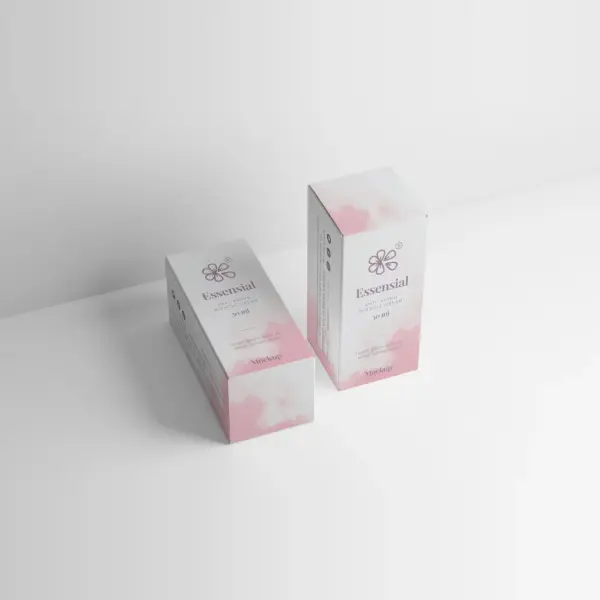
Create shelf-ready cartons for bottles, jars, tubes and coordinated beauty ranges.
Measure the filled jar, bottle or tube with pumps and caps in place.
Check variant names and fine print on a folded proof under typical shelf lighting.
Prepare legible carton artwork around the dieline, the filled container and the information buyers need.
Read the guide →Measure the filled container and cap, and reserve label space across the range before laying out the artwork.
Provide the filled bottle, jar or tube dimensions with closure, pump and any protective cap attached. Show the widest point and where the container can tolerate contact with an insert. A carton for glass may need a different retention method from the same-size tube.
Set aside space for product information and any copy approved for the market before placing decorative elements. Choose a front panel that makes the range recognisable on a shelf. For products with similar names, use distinct names and colour cues so buyers and fulfilment teams can identify variants.
Review the opening sequence and position of text after the sample has been folded. Use a real barcode where relevant and scan it under presentation lighting. Check if coating changes the contrast of small lettering, and ask how the selected finish behaves near folds.
Build a brief that groups containers by fit and lists the artwork version and quantity for each SKU. Send a filled sample or accurate dimensions, reference artwork and a note on retail or parcel handling. Confirm how artwork approvals will be tracked for future reorders.
Line up the finished carton samples with the real products in a single display. Check where the brand name, shade or variant and product information fall across the range. If the design uses a shared colour system, compare the darkest and lightest variants using the same finish and stock. Document where artwork differs and which containers can use a shared structure so the carton specification stays clear on future runs.
Share each container and artwork version. Group the ones that can use the same dieline and confirm quantities separately.