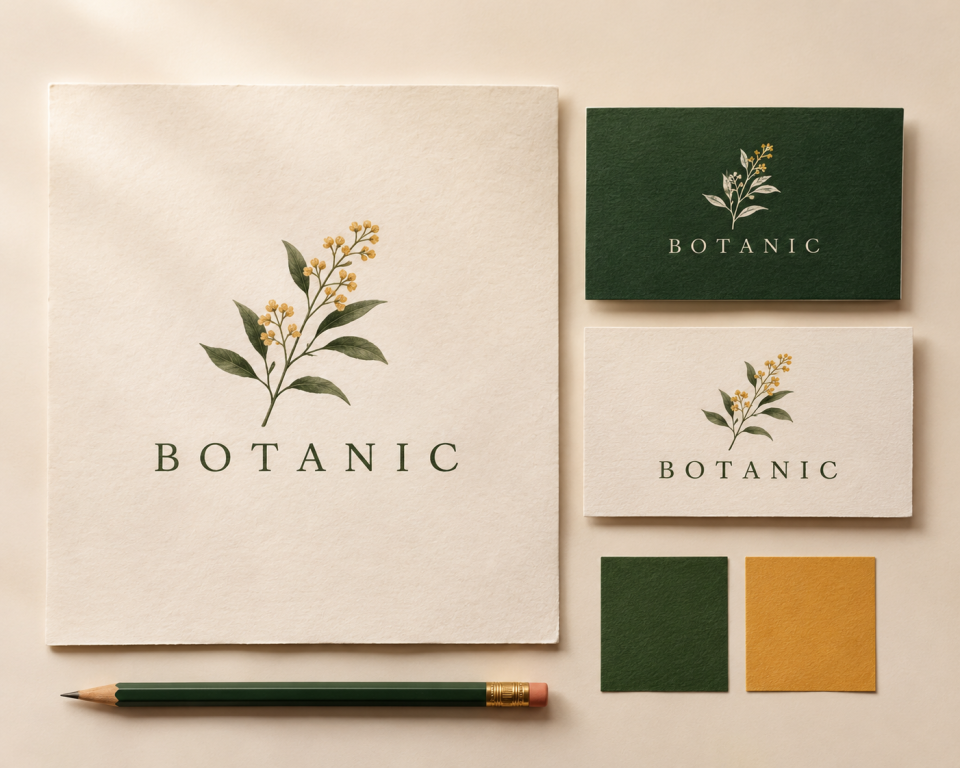
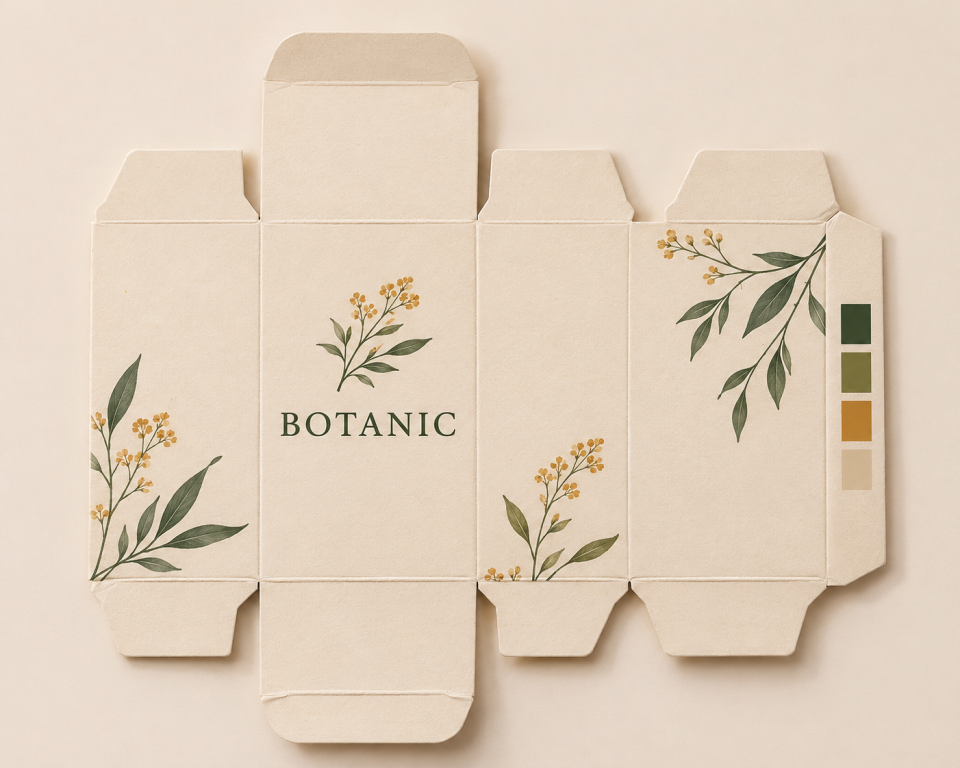
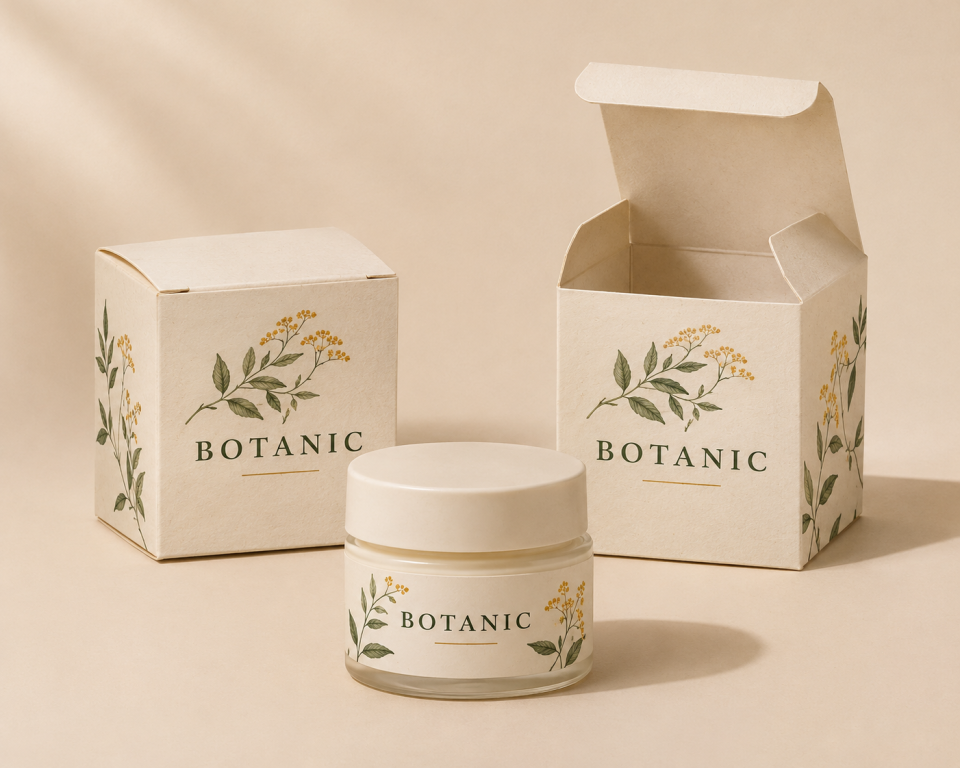
Use a consistent artwork and finish specification across the pieces customers handle, read and take away.
Business & ID cards
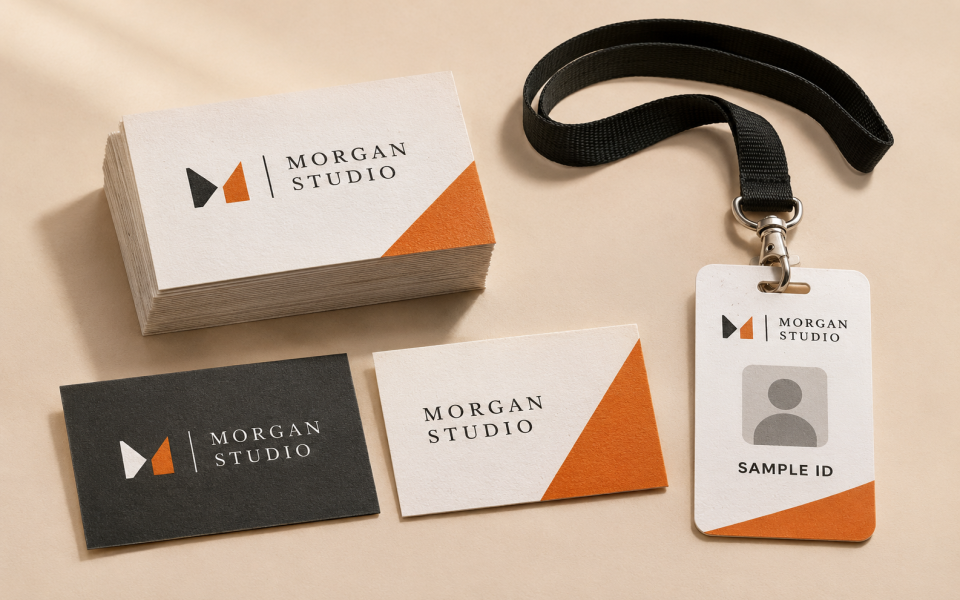
Give customers and colleagues a clear way to recognise your business and find the right contact. Plan business cards around your logo, essential details and the impression you want to leave at meetings, events or in a product delivery.
Choose the size, stock and finish together, then check the smallest text on a printed proof. If the artwork includes a QR code, leave clear space around it and test it at the intended print size. For ID cards, agree the placement of names, photographs and other variable information before preparing the full set.
Send your artwork, quantity and any different names or versions with the brief. We can discuss the layout and print requirements so the finished cards work consistently across your team.
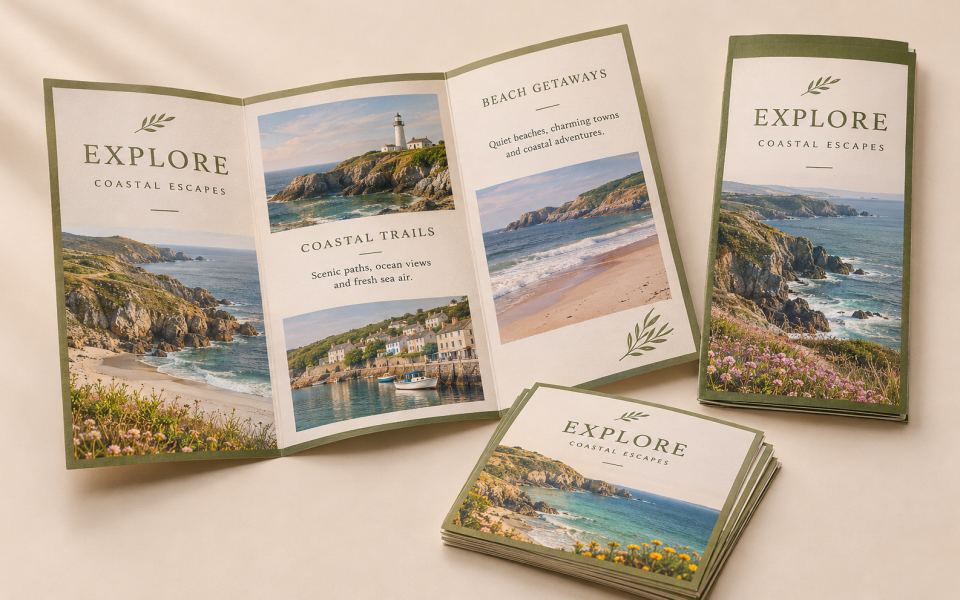
Introduce your products, explain a service or support a campaign with printed pieces customers can browse and keep. A flyer can carry one clear message, while a folded brochure gives you room to organise a product range, service details and the next step you want readers to take.
Plan the format around how it will be distributed and read. Check the panel sequence on a folded mockup, keep important text clear of folds and review photographs at their final size. Paper choice and finish should support comfortable handling and readable artwork.
Share the finished dimensions, page or panel count, quantities and artwork status. Include any versions for different locations or campaigns so the quote and proof reflect the pieces you actually need.
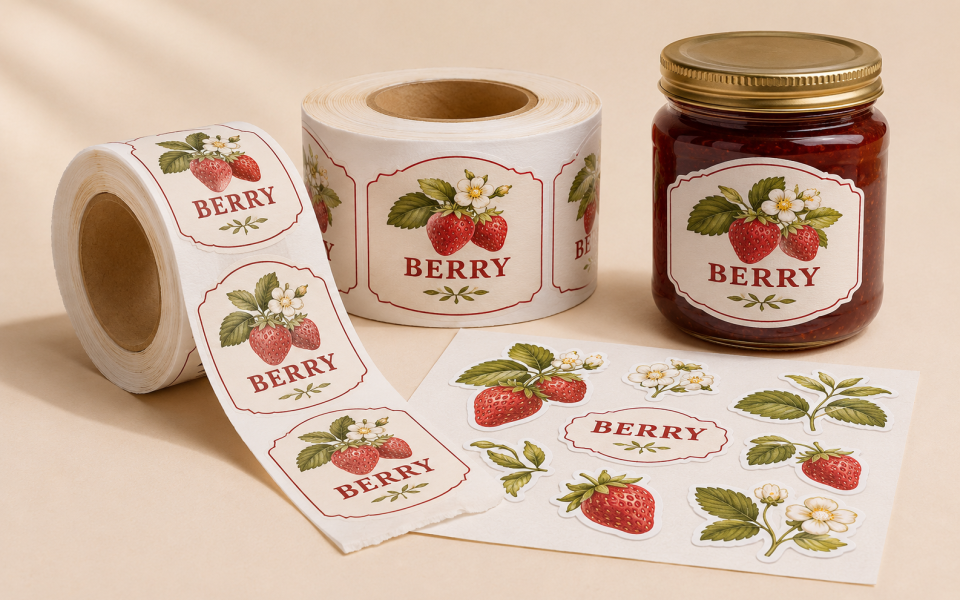
Connect your branding with the product through labels and stickers sized for its container, outer carton or presentation pack. Start with the information customers need to identify the item, then give the product name, variant and supporting copy a clear place in the layout.
Measure the application area and check whether it is flat, curved or textured. Describe the conditions the label will face, including handling, moisture or temperature changes, so the material and adhesive can be discussed for that use. Test a sample on the actual surface before approving the run.
Proof small lettering and scan barcodes at the intended size. Send the label dimensions, quantity per artwork version and a photo or sample of the container so fit, placement and finish can be reviewed together.
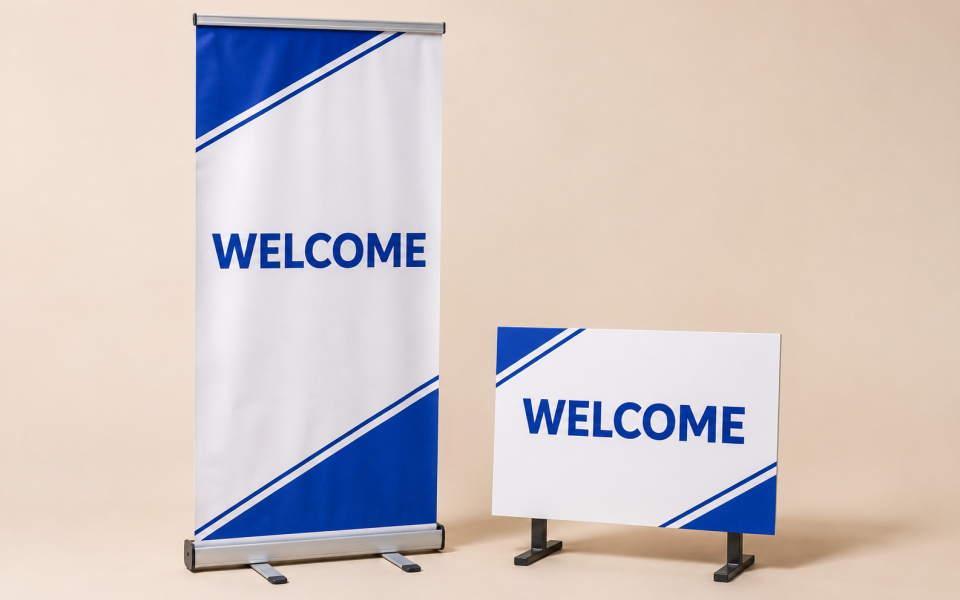
Make your message easy to spot at a storefront, exhibition, event or point of sale. Build the artwork around the viewing distance and the action you want people to take, with a clear headline, recognisable branding and contact details that remain readable in the available space.
Measure the installation area and describe whether the display will be used indoors or outdoors. Discuss the required material, mounting method and finishing details before finalising the artwork. Allow space around edges and any fixing points so important text stays visible once installed.
Send the finished dimensions, intended location, quantity and preferred delivery date. A scaled artwork proof helps you check proportions, image quality and information placement before approving production.