
Size around common parcels
Group your frequent packed orders by footprint, height and loaded weight.
Balance shipping protection with assembly time and a considered unboxing experience.
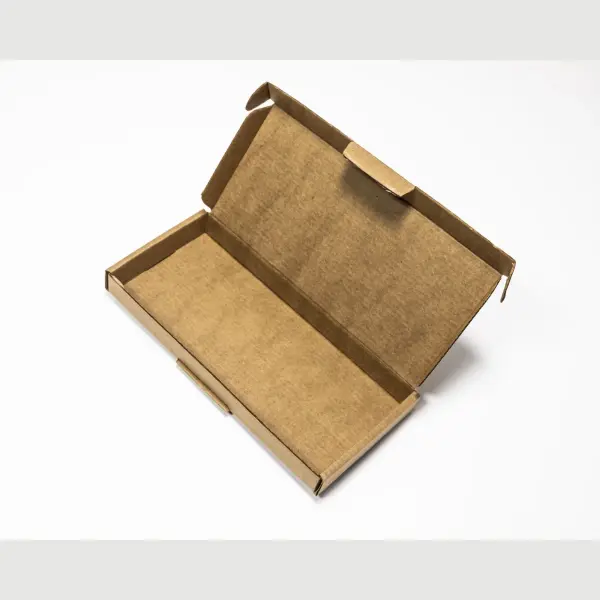
Group your frequent packed orders by footprint, height and loaded weight.
Compare closing time and label placement with a typical order and the intended insert.
Understand the difference between a paper finish and a structural board before specifying a box.
Read the guide →Measure the typical packed order with inserts and padding. Trial the closure and label placement before choosing a box size.
Take a representative set of fulfilled orders, including the packaging already used inside each carton. Measure packed weight, footprint and height. Group similar orders and look for oversized cartons that can be reduced without removing necessary clearance around delicate parts or increasing packing time.
Choose a test order that includes the heaviest or most vulnerable product. Pack it using the intended insert, seal and label, then run a representative journey. Record where the board bends, what moves and how the lid opens. Use those findings to adjust the configuration before buying in volume.
Ask someone who regularly packs orders to assemble the sample. Note stock storage, packing time and where instructions or labels fit. An extra insert is useful when it solves a repeat problem, but the layout also needs to work during order peaks and with mixed carts.
Track damage and returns by box size and product combination. If branding is part of the unboxing experience, check that it survives fulfilment labels and handling. Keep the approved carton specification and artwork revision on file to make pricing and proof comparisons easier at reorder time.
Measure both fully packed orders, then compare outer dimensions, weight, assembly time and the condition of the contents after a similar trip. A smaller format may save space in storage while taking longer to fill, or a stronger board may help the outer carton while leaving the product loose inside. Record those trade-offs so the quotation reflects the whole order flow.
Use a sample when changing board, size or inserts, especially for heavier items or products that can shift.