
Loaded handle trial
Carry the heaviest intended order to check the fold, handle and base.
Design a carry carton around the loaded weight, handle and way customers lift it.
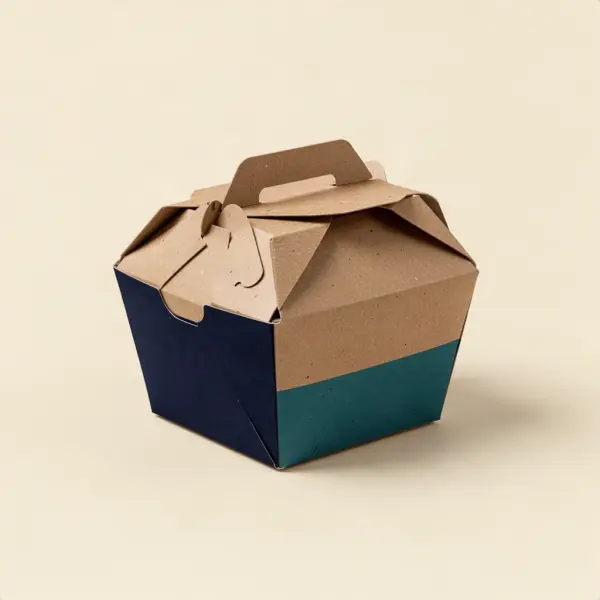
Carry the heaviest intended order to check the fold, handle and base.
Leave room for the tallest item and check the closure keeps the order steady.
Check the handle and base with a representative filled box. Confirm headroom if the product extends above the tray.
A gable box includes a folded top that customers can carry by hand. Test the sample with the heaviest intended load and inspect the handle, base and closure. Look for any tilt that could disturb the contents, and check the height clearance above a tray or wrapped product.
Ask staff to assemble and close several boxes during a realistic service scenario. Check for loose parts when the customer lifts the box and whether the base stays flat once set down. Consider how the packs will be stored and staged before they are filled.
For food or takeaway use, identify the direct-contact surfaces and any trays or liners you supply. Explain whether the contents are warm, chilled or likely to release moisture. Test a filled order on a representative route and inspect the shape and finish afterwards.
Keep order labels and important product information on a flat face clear of carrying areas. Mark any main artwork that must be visible when the box is upright. Share filled weight, dimensions, intended carry distance and quantities with the quotation brief.
Have the packing team assemble and carry the filled box using the intended workflow.